

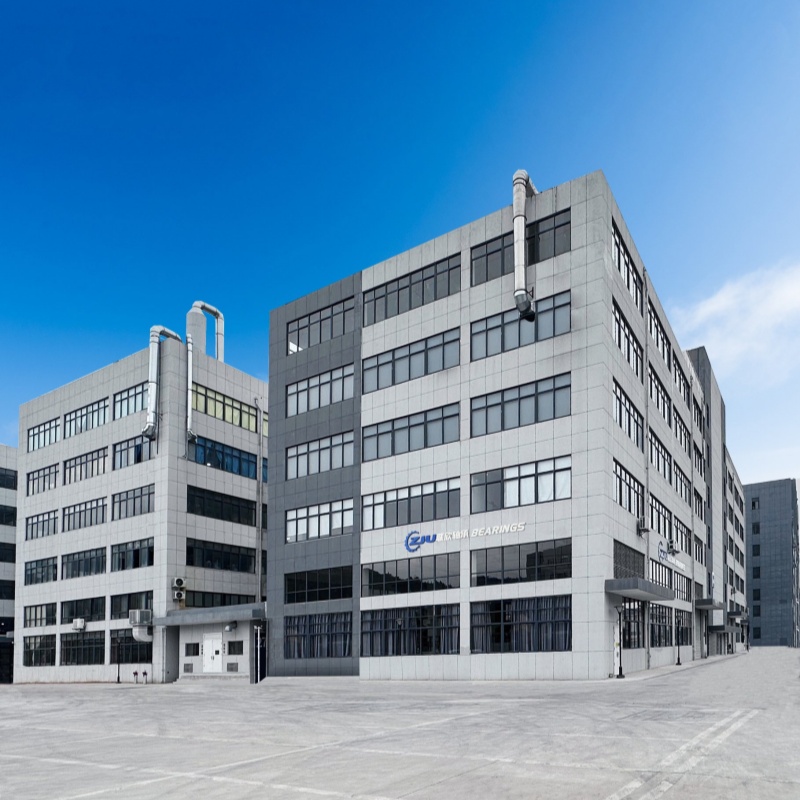
The global bearing industry continues to evolve rapidly in 2026, driven by increasing demand from industrial automation, electric motors, and transportation sectors.
For buyers and distributors, understanding these trends is essential to choosing the right suppliers and staying competitive in the market.
In this article, we explore the key trends shaping the bearing industry and what they mean for your sourcing strategy.
1. Rising Demand for High-Quality Bearings
As industries become more automated, the demand for high-performance bearings is increasing.
Customers are no longer focused only on price — they now prioritize:
- Long service life
- Low noise performance
- High precision
This shift means that suppliers with stable quality and strict quality control are gaining a competitive advantage.
2. Price Pressure vs Quality Expectations
One of the biggest challenges in the bearing market is balancing cost and quality.
While low-cost products are widely available, many buyers have experienced:
- Inconsistent quality
- High defect rates
- Increased maintenance costs
As a result, more buyers are moving toward reliable suppliers instead of choosing the cheapest option.
3. Growth of OEM and Private Label Demand
More distributors are building their own brands.
This has led to increased demand for:
- OEM bearing production
- Custom packaging
- Logo printing
Manufacturers that can support branding and customization are becoming preferred partners.
4. Supply Chain Stability Becomes Critical
In recent years, global supply chains have faced disruptions.
Buyers now pay close attention to:
- Delivery reliability
- Production capacity
- Long-term supply stability
Working with a dependable bearing manufacturer helps reduce risks and ensures consistent supply.
5. China Remains a Key Manufacturing Hub
China continues to play a major role in the global bearing industry.
Advantages include:
- Strong manufacturing capability
- Competitive pricing
- Mature supply chain
However, buyers are becoming more selective, focusing on factories that can provide stable quality rather than just low prices.
6. Increasing Focus on Quality Control and Testing
Quality control is no longer optional — it is a requirement.
Professional bearing manufacturers are investing in:
- Advanced inspection equipment
- Noise and vibration testing
- Endurance testing machines
These improvements help ensure product reliability and reduce failure rates.
7. Application-Specific Bearings Are Growing
Different industries require different performance characteristics.
For example:
- Skateboard bearings require low noise and smooth rotation
- Motor bearings require durability and precision
- Industrial bearings require high load capacity
Suppliers who understand application-specific needs are more competitive.
Conclusion
The bearing industry in 2026 is becoming more quality-driven, service-oriented, and competitive.
For buyers, the key takeaway is clear:
Choosing the right supplier is more important than ever.
A reliable bearing partner can help you:
- Improve product quality
- Reduce long-term costs
- Strengthen your market position
Looking for a Reliable Bearing Manufacturer
At ZJU Bearing, we specialize in deep groove ball bearings with stable quality and competitive pricing.
- Bulk supply available
- Strict quality control
- OEM & customization support
- Fast and reliable delivery
👉 Contact us today to get a quote and samples.
Website: https://zjubearing.com
Email: may@zjubearing.com
WhatsApp: +86 13884420509


